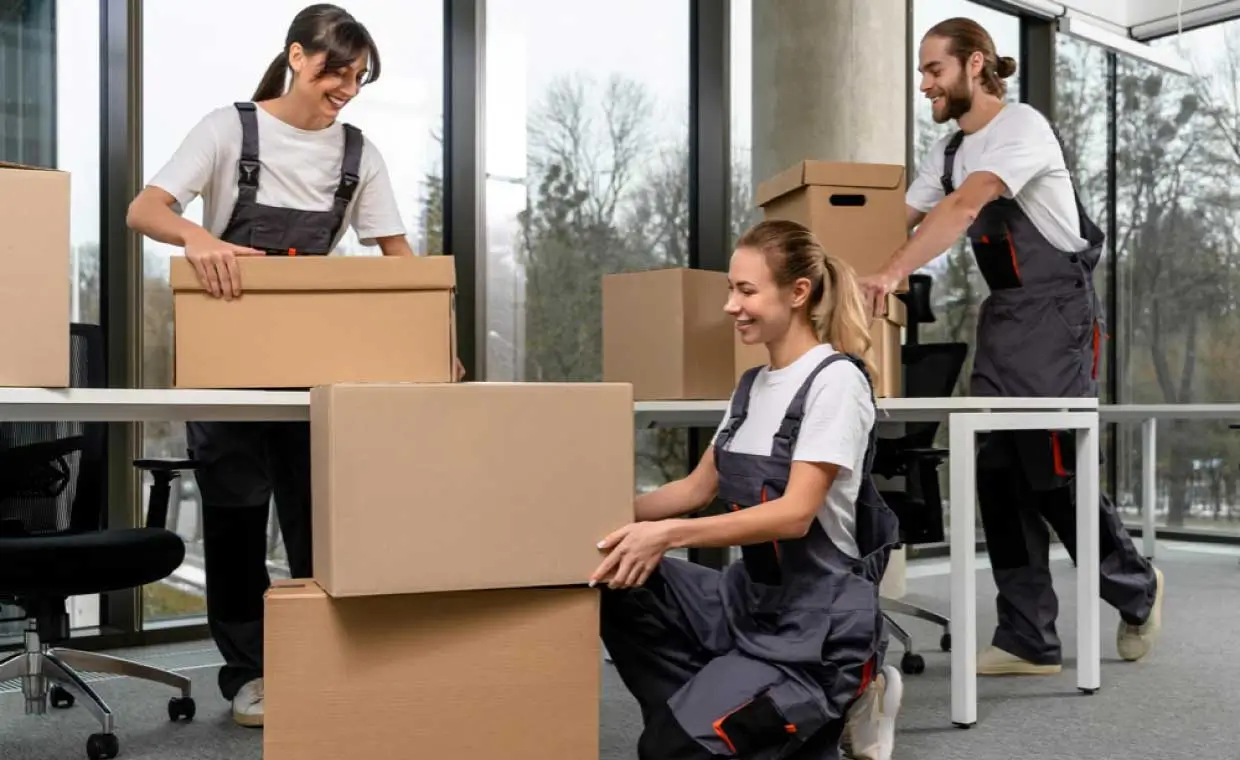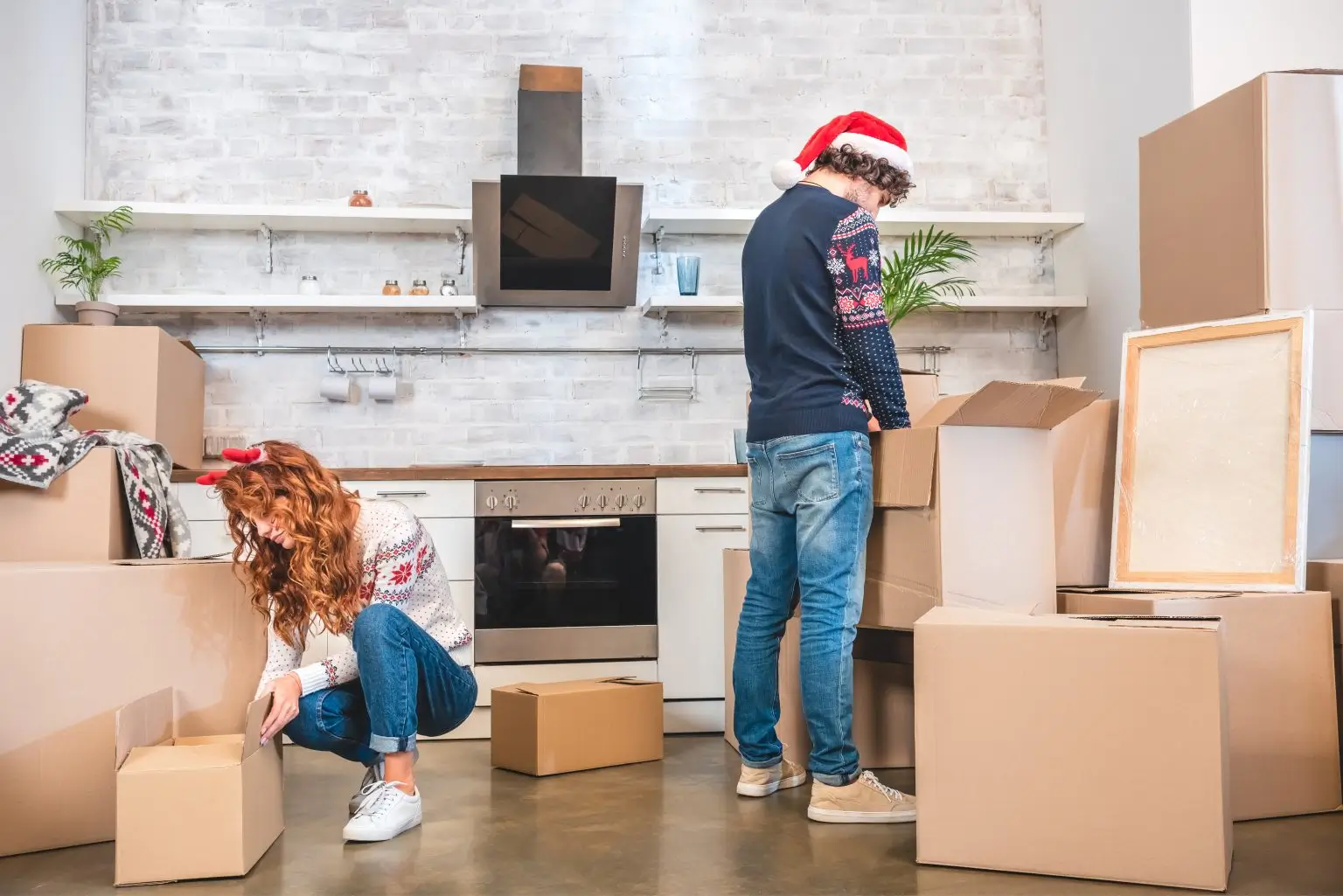

Moving to a new home is an exciting milestone, but the packing process can often feel overwhelming. Whether you’re relocating across town or preparing for a long-distance move, proper packing plays a major role in protecting your belongings and making moving day easier. At Extra Muscle Moving & Transportation, we understand that a well-organized packing strategy saves time, reduces stress, and helps ensure everything arrives safely at your new destination.
In this guide, we’ll share practical packing tips that make your move more efficient while helping you avoid common mistakes.
Start Packing Early
One of the biggest mistakes people make is waiting until the last minute to begin packing. Giving yourself enough time allows you to stay organized and avoid unnecessary stress.
Create a packing schedule several weeks before your moving date and work through one room at a time. Breaking the task into smaller sections makes the process much more manageable and helps prevent feeling overwhelmed.
Packing early also gives you the opportunity to sort through your belongings and decide what to keep, donate, recycle, or discard before the move.
Gather Quality Packing Supplies
Using the right materials is essential for protecting your belongings during transportation. Investing in durable packing supplies can prevent damage and keep everything secure.
Your packing supplies should include:
Strong moving boxes in various sizes
Bubble wrap
Packing paper
Packing tape
Stretch wrap
Furniture blankets
Permanent markers
Labels
Zip-lock bags for small hardware
Avoid using worn-out boxes that may collapse under heavy weight.
Declutter Before Packing
Moving is the perfect opportunity to reduce clutter. Instead of packing everything you own, carefully evaluate each item and determine whether it still serves a purpose.
Donate gently used clothing, furniture, and household items that you no longer need. Throw away broken or unusable belongings and recycle items whenever possible.
Decluttering before your move reduces packing time, lowers transportation costs, and creates a fresh start in your new home.
Pack One Room at a Time
Packing randomly throughout the house often leads to confusion when unpacking.
Focus on completing one room before moving to the next. Label every box with:
Room name
Contents
Fragile items
Priority level
This simple organization method makes unpacking faster and allows movers to place each box in the correct room immediately upon arrival.
Protect Fragile Items
Glassware, dishes, mirrors, electronics, and decorative items require extra protection.
Wrap each fragile item individually using packing paper or bubble wrap. Fill empty spaces inside boxes with soft packing materials to prevent shifting during transportation.
Clearly mark every fragile box so movers know to handle it with extra care.
Don’t Overload Boxes
Heavy boxes are difficult to lift and more likely to break.
Place heavier items like books in smaller boxes while reserving larger boxes for lightweight items such as bedding, pillows, towels, and clothing.
Distributing weight evenly makes boxes easier to carry and helps prevent injuries during loading and unloading.
Keep Important Documents Separate
Never pack important documents inside moving boxes.
Instead, keep passports, identification cards, insurance papers, financial documents, medical records, birth certificates, and valuable jewelry in a secure personal bag that stays with you throughout the move.
Having these essentials easily accessible provides peace of mind and prevents unnecessary searching later.
Prepare an Essentials Box
Your first night in a new home should be comfortable without opening dozens of boxes.
Pack an essentials box containing:
Toiletries
Phone chargers
Medications
Basic kitchen supplies
Snacks
Bottled water
Paper towels
Cleaning supplies
Change of clothes
Bedding
Keeping these items nearby helps you settle in immediately after arriving.
Disassemble Large Furniture
Large furniture takes up significant space and can become damaged if transported without preparation.
Disassemble bed frames, tables, shelving units, and other oversized furniture whenever possible.
Place screws, bolts, and small hardware into labeled plastic bags and securely tape them to the matching furniture piece.
This simple step saves valuable time during reassembly.
Seal and Label Every Box Clearly
Proper labeling is one of the easiest ways to stay organized during a move.
Write detailed descriptions instead of simply writing “Kitchen.”
For example:
Kitchen – Pots & Pans
Bedroom – Winter Clothes
Living Room – Electronics
This level of detail makes unpacking much faster and helps everyone know exactly where each box belongs.
Consider Professional Packing Services
If your schedule is busy or you own valuable furniture and fragile belongings, hiring professional packers can make a tremendous difference.
Experienced movers know how to securely pack everything from antiques and electronics to artwork and large furniture using industry-approved techniques and materials.
Professional packing reduces the risk of damage while saving you considerable time and effort.
Final Thoughts
Packing doesn’t have to be stressful when you have a solid plan. Starting early, staying organized, using quality packing supplies, and protecting your valuables can make your relocation much smoother. Every step you take before moving day contributes to a safer and more efficient moving experience.
At Extra Muscle Moving & Transportation, we’re committed to helping families and businesses relocate with confidence. Whether you need full-service packing, loading, transportation, or unpacking assistance, our experienced team is ready to make your next move simple, secure, and stress-free.
Need professional moving assistance? Contact Extra Muscle Moving & Transportation today for a free quote and let our experienced movers handle the heavy lifting while you focus on settling into your new home.